


admin
12/09/2025
What Is Glaucoma Treatment? A Beginner’s Guide
Introduction
Glaucoma is one of the major irreversible causes of blindness globally, occurring among millions of individuals across all age brackets, particularly individuals above 40 years of age. Detection of glaucoma and its management at an early stage may help in saving vision and avoiding further loss. If you have recently been diagnosed with glaucoma or are considering preventive management, this guide for beginners will guide you through the condition, its treatments, and what to expect throughout the process.
- Glaucoma and Its Effect
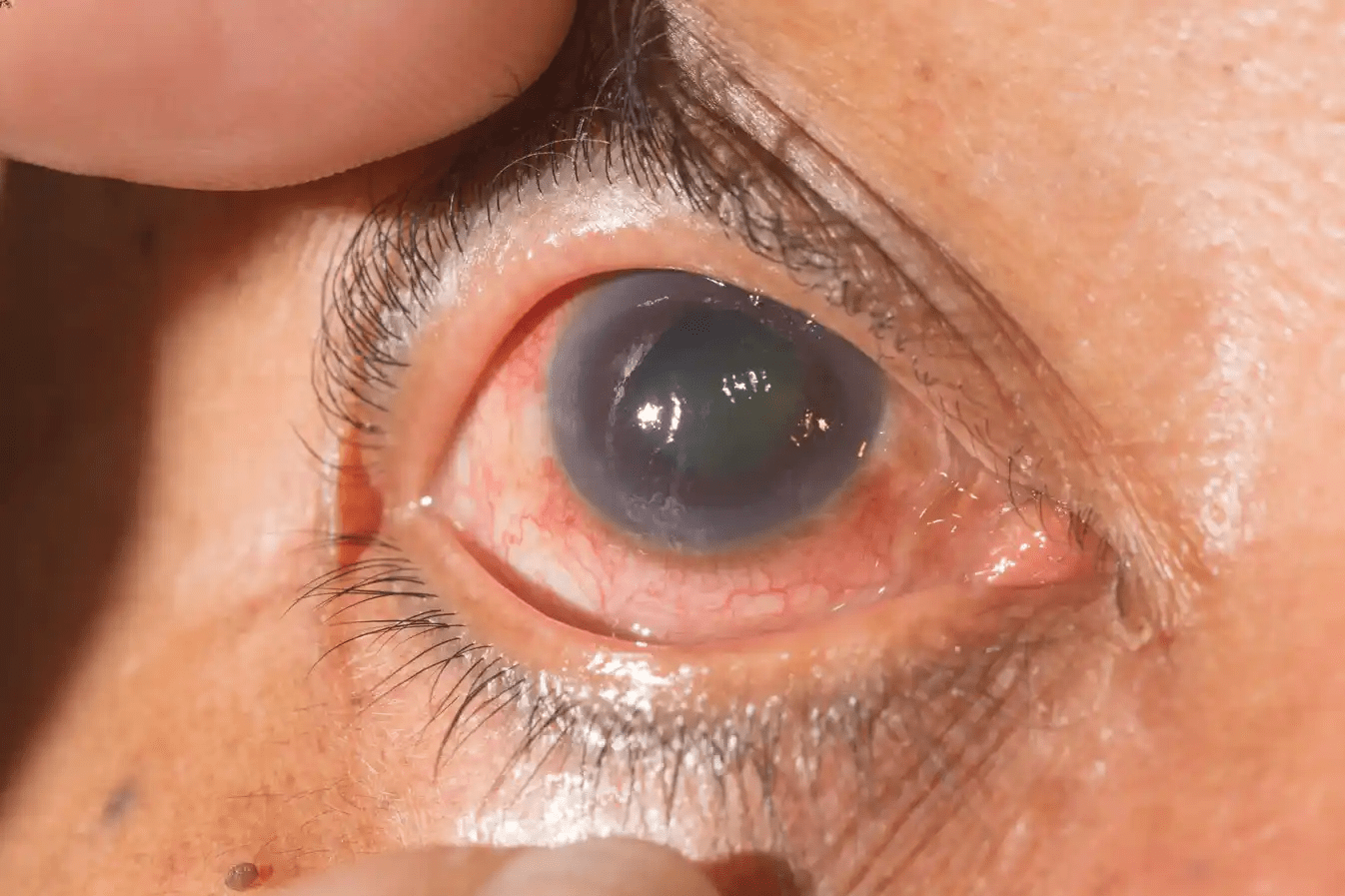
Glaucoma is an eye disease that degrades the optic nerve, usually as a result of elevated intraocular pressure (IOP). Progressively, it results in gradual loss of vision, beginning with side vision and, in extreme cases, resulting in complete blindness. If left untreated, the condition advances quietly, hence also known as “the silent thief of sight.” Early detection and good management require regular eye examinations.
- Why Glaucoma Treatment Matters
Early and regular glaucoma treatment is essential because vision loss due to glaucoma is irreversible. Yet early treatment can:
– Stop or slow the disease’s progression
– Protect current vision
– Enhance overall quality of life
– Lower the risk of further serious vision loss or blindness
By learning about the options that exist, patients can closely collaborate with their ophthalmologists to select the best plan.
- Types of Glaucoma
While delving into glaucoma treatment, it is helpful to be aware of the different types of glaucoma, which are:
– Open-Angle Glaucoma: Most prevalent, sometimes developing gradually without any symptoms.
– Angle-Closure Glaucoma: Less frequent but more dangerous; it may happen suddenly and demands immediate treatment.
– Normal-Tension Glaucoma: Injury happens even at normal pressure, underlining the significance of check-ups.
– Congenital Glaucoma: It is present at birth and needs specialized pediatric care.
- Treatment Choices for Glaucoma
- a) Drugs (Eye Drops and Oral Medications)
Medicated eye drops are typically the first treatment for most patients. These medications decrease eye pressure by either lowering fluid production or enhancing fluid drainage. Some common varieties are:
– Prostaglandin analogs – Enhance fluid drainage
– Beta blockers – Decrease fluid production
– Carbonic anhydrase inhibitors – Reduce intraocular pressure
– Alpha agonists – Both decrease production and increase outflow
Consistency is crucial; skipping doses can cause spasms in eye pressure.
- Laser Therapy
Laser treatments are an intermediate non-surgical measure between medications and surgery. Popular alternatives include:
– Selective Laser Trabeculoplasty (SLT): Increases drainage for open-angle glaucoma.
– Laser Peripheral Iridotomy (LPI): Opens a hole in the iris for angle-closure glaucoma.
– Cyclophotocoagulation: Decreases fluid production in severe cases.
Laser glaucoma therapy usually has little recovery time and involves substantial pressure relief.
- Surgery
If medications or laser treatments are not enough, surgery could be an option. Typical surgeries are:
– Trabeculectomy: Makes a channel for drainage to decrease pressure.
– Glaucoma Drainage Devices (Shunts): Tiny tubes allowing for effective drainage of fluid.
– Minimally Invasive Glaucoma Surgery (MIGS): New, less invasive methods for faster recovery with fewer complications.
Surgical treatment of glaucoma is very successful but needs careful follow-up for sustained success.
- Home Care and Lifestyle Suggestions
Although medical therapies are the mainstay in glaucoma management, lifestyle modification can supplement clinical intervention:
– Routine Exercise: Promotes increased blood supply to the optic nerve.
– Balanced Diet: Food containing antioxidants, among other nutrients, helps maintain eye health.
– Moderation of Caffeine: Excessive consumption of caffeine has a transient effect of raising intraocular pressure.
– Stress Management: Yoga, meditation, or breathing exercises can help keep pressure levels stable.
– Medication Adherence: Regular use of prescribed drops ensures optimal effectiveness.
- Glaucoma Treatment Risks and Side Effects
Each treatment method has side effects, although most can be managed with proper advice:
– Eye Drops: Redness, stinging, or dry eyes.
– Laser Therapy: Pain for a while or minor inflammation after the procedure.
– Surgery: Infection, scarring, or unpredictable eye pressure.
Discuss these with your doctor to choose a glaucoma treatment plan that fits your needs and lifestyle.
- What to Expect During Recovery
Recovery depends on the type of glaucoma treatment received. Here’s a general timeline:
– Medications: Continuous use with regular monitoring.
– Laser Therapy: Quick recovery, often within a day or two.
– Surgery: Longer healing time, with multiple follow-up visits during the first few weeks to monitor eye pressure and healing.
Patience and compliance with follow-up treatment are essential to the optimal outcome.
- Advances in Glaucoma Treatment
Glaucoma treatment is changing fast. New technologies are:
– AI-Assisted Diagnostics: Quicker, more precise checks on optic nerve health.
– Sustained-Release Drug Implants: Minimize daily drops.
– New MIGS Devices: Provide safer, more effective pressure lowering.
– Gene Therapy and Stem Cells: Future solutions for repairing damaged optic nerves.
These advancements promise more effective and less invasive treatment options in the near future.
- Importance of Regular Follow-Ups
Regardless of the chosen glaucoma treatment, regular follow-ups with your eye specialist are critical. Routine exams help:
– Monitor eye pressure levels
– Adjust medications or procedures as needed
– Detect early signs of progression
– Ensure long-term vision preservation.
Final Thoughts
Glaucoma management is a process that entails early intervention, regular treatment, and cooperation between the patient and physician. Although glaucoma is not curable, it is controllable to promote quality of life and avoid blindness. Through technology advancements and proactive care, glaucoma management has never been more hopeful.




Emergency Call
As one of the leading eye hospitals in the heart of Thane, we take pride in our expertise in treating a varied range of eye problems.