Isha Netralaya | Best Eye Hospital in Mumbai & Pune | Eye Specialist



What is a Retina?
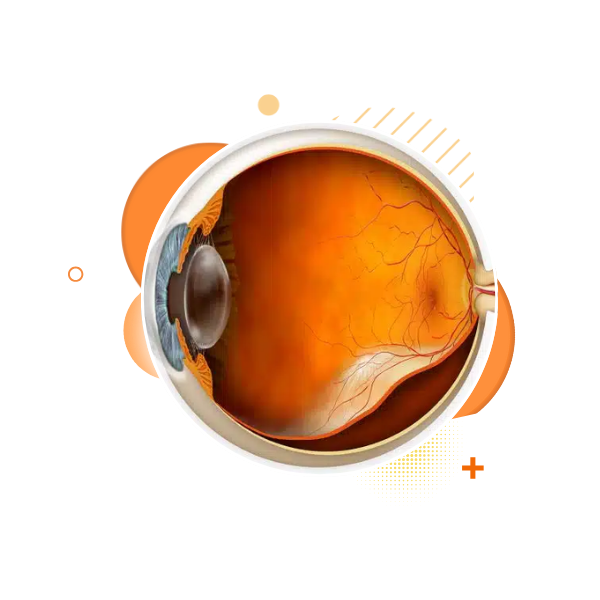
The eye functions much like a camera—with a lens at the front and a retina acting as the film at the back. Located about two centimeters behind the pupil, the retina converts light into signals that are sent to the brain. The central part of the retina, called the macula, allows for sharp, vision needed for reading and recognizing faces.
A healthy macula is essential for detailed vision, while the surrounding retina helps in side vision and mobility. The retina receives blood through tiny vessels that keep it healthy, and it connects to the brain via the optic nerve. In front of the retina lies the vitreous cavity, filled with a gel-like substance called vitreous.
Diseases affecting the retina, vitreous, or optic nerve can lead to serious vision problems—but with modern diagnostic and surgical methods, most conditions are now effectively treatable. Early detection and prompt care are crucial for the best outcomes.
Why Choose Isha Netralaya for Retina Care
✔ Team of top retina specialists with over 20 years of experience
✔ Equipped with advanced Dyeless Angiography and Optos wide-field imaging (captures up to 200° of the retina without dilation)
✔ Highly complex retina surgeries performed with excellent success rates
✔ Doctors from across India watch and learn from our surgical training videos on YouTube
✔ Authorized center under Mahatma Phule Jan Arogya Yojana for retina surgeries
✔ Highest number of retina cases treated in Maharashtra

Why is ROP screening important for premature babies?
- Premature babies may develop abnormal retinal blood vessels leading to bleeding or retinal detachment, causing permanent vision loss. Since external signs are not visible, early retinal screening is mandatory.
Detection and Screening:
ROP can be detected by a trained ophthalmologist using special eye drops to dilate the pupils and an indirect ophthalmoscope or fundus imaging camera.
Who needs screening?
As per Government of India’s RBSK guidelines:
- Babies born before 34 weeks or weighing less than 2000 grams
- Babies over these limits but with breathing issues, infections, or oxygen therapy
When to test:
Follow the “Day-30 Rule” — First retinal exam before the 30th day of life. In very low-weight babies (<1200g), screening should be even earlier.
Treatment options:
ROP is treated using laser therapy, intraocular injections, cryotherapy, or surgery. Early treatment prevents progression to blindness.
Follow-up:
Regular follow-ups every 7–14 days are critical until the retina fully matures.

What is retinal laser treatment?
- Laser therapy uses a focused beam of light to treat affected areas precisely, sealing leaks or stopping abnormal vessel growth—usually painless and completed within 10–30 minutes.
Conditions treated with laser:
- Diabetic Retinopathy: Prevents bleeding and swelling in retinal vessels.
- Retinal Vein Occlusion: Reduces fluid buildup and abnormal new vessels.
- Retinal Tears/Detachment: Laser seals small tears, preventing full detachment.
- CSCR: Treats fluid blisters beneath the macula.
- Ocular Tumors: Destroys leaking or harmful vascular growths.

Diabetes can damage retinal blood vessels, causing leakage, swelling, or new fragile vessels.
- Regular eye exams help detect early changes.
- Laser treatment controls bleeding and swelling.
- Advanced cases may need vitrectomy or scleral buckling surgery.
- Life-long monitoring is essential as diabetes can continue to affect the retina.
Fluorescein and Indocyanine Green Angiography help visualize retinal blood flow.
A safe dye is injected into the arm, and special cameras capture detailed images of the retina. These tests guide precise treatment decisions for conditions like AMD and diabetic retinopathy.
When the retina cannot be seen due to bleeding or opacity, ultrasound imaging creates echo-based pictures to assess internal eye structures safely and painlessly.

Retinal Detachment occurs when the retina peels away from its base, causing severe vision loss.
Scleral Buckling Surgery reattaches the retina using a silicon band and cryotherapy.

A microsurgical procedure to remove clouded or damaged vitreous gel and replace it with a clear solution or gas/silicone oil.
Used for:
- Vitreous hemorrhage
- Retinal detachment
- Diabetic eye disease
- Intraocular infections
Post-Surgery Instructions
Avoid lifting heavy weights, bending, or rubbing the operated eye
Sleep in the recommended position (face-down if advised)
Keep the eye clean and dry for at least two weeks
Follow prescribed medications and all follow-up appointments strictly
Contact your doctor immediately if you experience pain, discharge, or decreased vision
Protect Your Vision, Preserve Your Future
Schedule your Retina Checkup today with retina specialist and take the first step toward early detection, timely treatment, and clearer, healthier sight.
OUR BLOGS & ARTICLES




FAQs for Retina Treatment
Retina treatment refers to various medical and surgical procedures designed to address disorders and diseases affecting the retina, the light-sensitive layer at the back of the eye that is essential for vision.
Common retina issues include retinal detachment, diabetic retinopathy, macular degeneration, and retinal vein occlusion. Each of these conditions can lead to vision loss if not treated promptly.
Symptoms of retina issues may include sudden loss of vision, flashes of light, floaters, blurred or distorted vision, or a shadow over your vision. If you experience any of these, it’s important to consult an eye specialist immediately.
Tests for retina problems include a detailed eye examination, Optical Coherence Tomography (OCT), fluorescein angiography, and B-scan ultrasonography. These tests help in diagnosing the condition and determining the right treatment.
Depending on the condition, treatments may include laser therapy, intravitreal injections, vitrectomy surgery, and cryotherapy. Your eye specialist will recommend the best treatment for your specific retina condition.
Retina treatments, especially non-invasive ones like laser therapy or injections, are typically painless or may cause mild discomfort. Surgical procedures may require anesthesia to ensure comfort during the treatment.
In many cases, timely treatment can stop or slow the progression of retina diseases and improve vision. However, the success of treatment depends on the severity of the condition and how early it is treated.
Recovery time varies depending on the type of treatment. For procedures like laser therapy or injections, recovery may be quick with minimal downtime. Surgical procedures, such as vitrectomy, may require a longer recovery period, typically ranging from a few days to several weeks.
As with any medical procedure, there are some risks involved, such as infection, bleeding, or further retinal damage. However, the risks are generally low, and the benefits of treatment often outweigh potential complications.
After treatment, it's important to follow your doctor's instructions, avoid strenuous activities, protect your eyes from injury, and attend follow-up appointments to monitor the healing process.
Yes, diabetic patients can and should receive retina treatment if they have any signs of diabetic retinopathy or other retinal issues. Early detection through regular eye checkups is crucial. Treatments like laser therapy, anti-VEGF injections, or vitrectomy can effectively manage and prevent vision loss.
Maintaining a healthy lifestyle, managing conditions like diabetes and high blood pressure, wearing protective eyewear, and getting regular eye exams can help prevent retina problems.
No, you do not need a referral. You can schedule an appointment directly with our retina specialists for a consultation.
You can schedule an appointment by calling our clinic, booking online through our website, or visiting any of our branches for assistance.
Isha Netralaya offers advanced diagnostic tools, experienced retina specialists, and personalized treatment plans. We are committed to providing the best possible care to help preserve your vision.