Isha Netralaya | Best Eye Hospital in Mumbai & Pune | Eye Specialist



Diabetic Retinopathy
What Is Diabetic Retinopathy?
Diabetic retinopathy is a chronic eye disease caused by long-standing diabetes, where high blood sugar levels damage the tiny blood vessels of the retina—the light-sensitive layer at the back of the eye.
Over time, these damaged vessels may leak, swell, bleed, or close, leading to progressive vision loss if not detected early.
Diabetic retinopathy can affect both Type 1 and Type 2 diabetes patients and often develops without early warning symptoms.
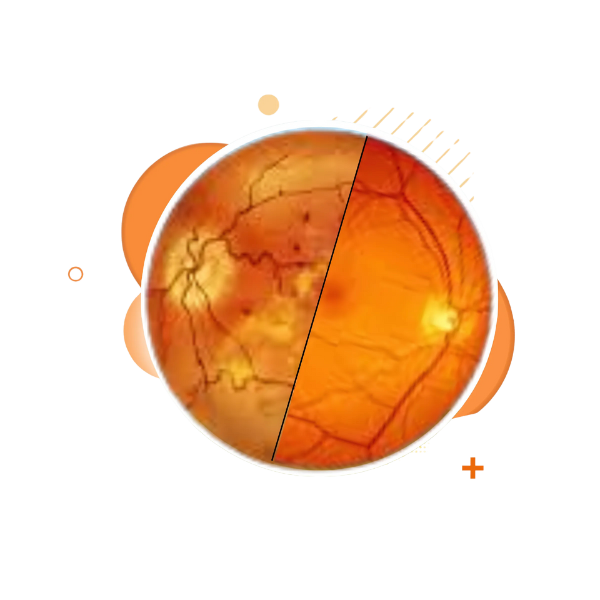
» How Diabetes Affects the Retina
Persistently high blood sugar levels cause:
Weakening of retinal blood vessel walls
Leakage of fluid and blood into the retina
Reduced oxygen supply to retinal tissue
Abnormal growth of fragile new blood vessels
These changes interfere with the retina’s ability to process visual signals, resulting in blurred or distorted vision.
» Why Diabetic Retinopathy Is Dangerous
Diabetic retinopathy is one of the leading causes of preventable blindness worldwide.
Vision loss is often gradual and painless
Damage may progress silently for years
Vision loss can become irreversible if ignored
Early diagnosis is the single most important factor in protecting vision.
» Common Causes & Risk Factors
You are at higher risk of diabetic retinopathy if you have:
Long-standing diabetes
Poor blood sugar control
High blood pressure
High cholesterol
Kidney disease
Pregnancy with diabetes
Smoking or tobacco use
The longer a person has diabetes, the higher the risk of developing retinopathy.
» Symptoms of Diabetic Retinopathy
In early stages, symptoms may be absent. As the disease progresses, patients may notice:
- Blurred or fluctuating vision
- Dark spots or floaters
- Difficulty reading or seeing fine details
- Poor night vision
- Sudden vision loss (advanced stages)
Symptoms often appear after significant retinal damage has already occurred.
» Stages of Diabetic Retinopathy
1. Mild to Moderate Non-Proliferative Diabetic Retinopathy (NPDR)
Small retinal blood vessel leaks
Mild retinal swelling
Often asymptomatic
2. Severe Non-Proliferative Diabetic Retinopathy
Blocked blood vessels
Reduced oxygen supply to retina
Higher risk of progression
3. Proliferative Diabetic Retinopathy (PDR)
Growth of abnormal new blood vessels
Risk of retinal bleeding
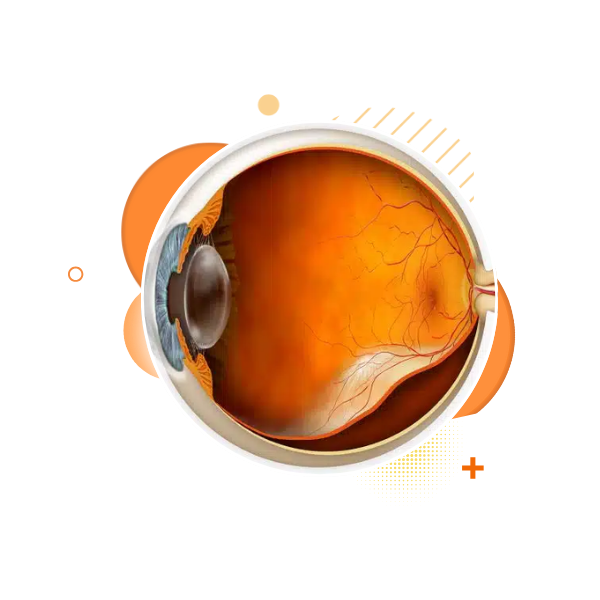
Can lead to retinal detachment and severe vision loss
Diabetic Macular Edema (DME)
Diabetic macular edema occurs when fluid accumulates in the macula, the central part of the retina responsible for sharp vision.
Can occur at any stage of diabetic retinopathy
Major cause of vision impairment in diabetics
Affects reading, driving, and facial recognition
» Who Should Get Screened?
Regular eye screening is essential for:
All diabetic patients (even with good vision)
Newly diagnosed diabetics
Pregnant women with diabetes
Patients with long-standing or poorly controlled diabetes
🕒 Annual retinal examinations are strongly recommended.
» Can Diabetic Retinopathy Be Prevented?
While it cannot always be avoided, progression can be significantly reduced by:
Strict blood sugar control
Managing blood pressure and cholesterol
Regular eye examinations
Healthy lifestyle and diet
Avoiding smoking
Early detection allows timely planning before vision loss occurs.
» When Should You See an Eye Specialist?
Immediately after diabetes diagnosis
If vision becomes blurred or distorted
If floaters or dark spots appear
If sudden vision loss occurs
Prompt evaluation can save vision.
OUR SERVICES




Diabetic Retinopathy FAQs
No, once vision loss occurs, it cannot be fully reversed, but early detection and treatment can slow its progression and prevent further damage.
Diabetic retinopathy progresses gradually, often over several years. The speed of progression depends on how well blood sugar, blood pressure, and cholesterol levels are controlled.
Yes, if left untreated, diabetic retinopathy can cause blindness. However, with early detection and proper management, the risk of severe vision loss can be reduced.
Laser treatment is typically not painful, but you may feel slight discomfort or pressure during the procedure. Your eye will be numbed with anesthesia before the treatment.
People who have had diabetes for many years, particularly those with poorly controlled blood sugar levels, high blood pressure, or high cholesterol, are at the highest risk for developing diabetic retinopathy.