Isha Netralaya | Best Eye Hospital in Mumbai & Pune | Eye Specialist
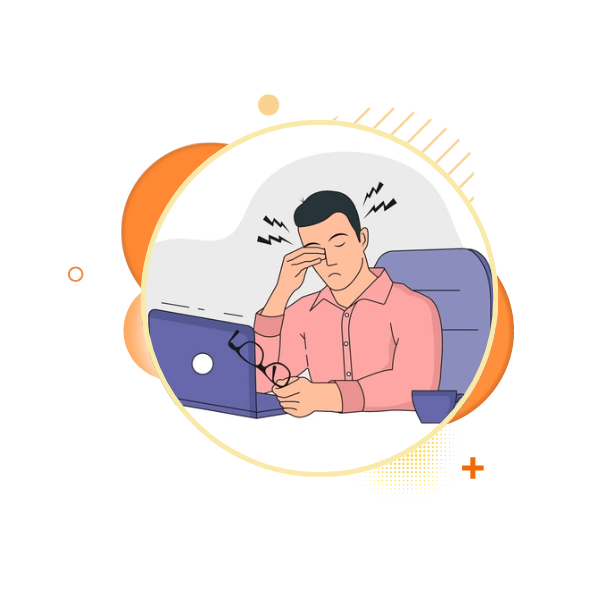
Computer Vision Syndrome (CVS), also known as Digital Eye Strain, is a group of eye and vision problems that occur due to long hours of using digital screens such as computers, laptops, mobile phones, tablets, and televisions.
Staring at screens for long periods forces the eyes to work harder than usual, leading to eye strain, dryness, discomfort, and blurred vision. CVS can affect children, students, working professionals, and elderly people alike.
When using digital devices:
Blink rate reduces by up to 50%
Eyes focus continuously at a close distance
Blue light exposure increases
Poor posture and improper screen distance strain eye muscles
All these factors together lead to fatigue of the eyes and surrounding muscles.
CVS symptoms may appear gradually and worsen with continued screen use:
Eye strain or tired eyes
Burning, itching, or dry eyes
Blurred or fluctuating vision
Headaches, especially after screen work
Red or watery eyes
Neck, shoulder, or back pain
Difficulty focusing after screen use
Symptoms usually improve with rest but may return if habits are not corrected.
You are more likely to develop CVS if you:
Use screens for 6–8 hours or more daily
Work on computers without breaks
Use mobile phones excessively
Have uncorrected refractive errors (glasses needed)
Have dry eye disease
Sit with poor posture or improper lighting
Children attending online classes are also increasingly affected.
Diagnosis is done through a comprehensive eye examination, which may include:
Vision testing
Assessment for dry eyes
Refraction (spectacle power check)
Evaluation of eye focusing and coordination
Identifying the root cause helps in effective relief.
CVS is usually reversible and manageable with proper eye care and lifestyle changes.
Proper spectacle correction (if needed)
Special computer glasses in some cases
Lubricating eye drops (artificial tears)
Improving blinking habits
Maintaining proper hydration
Follow the 20-20-20 rule
(Every 20 minutes, look 20 feet away for 20 seconds)
Maintain proper screen distance (50–70 cm)
Keep screen slightly below eye level
Adjust brightness and contrast
Proper chair height and back support
Screen at eye-level
Adequate room lighting to reduce glare
Take regular breaks
Reduce unnecessary mobile use
Encourage outdoor activities, especially in children
Yes. CVS can be prevented or reduced by:
Regular eye check-ups
Proper spectacle use
Healthy screen habits
Adequate blinking and hydration
Correct posture and lighting
Early care prevents long-term discomfort.
Consult an eye specialist if:
Eye strain or headaches persist
Vision remains blurred even after rest
Eyes feel dry or painful frequently
Children complain of eye discomfort during studies
Early evaluation helps avoid chronic eye strain.
No. CVS is usually temporary and reversible with proper care.
Yes. Prolonged mobile use is a common cause of CVS.
Yes. Children using mobiles, tablets, or online classes are at high risk.
Yes, if vision problems are present. Proper glasses reduce eye strain significantly.