

Isha Netralaya | Best Eye Hospital in Mumbai & Pune | Eye Specialist

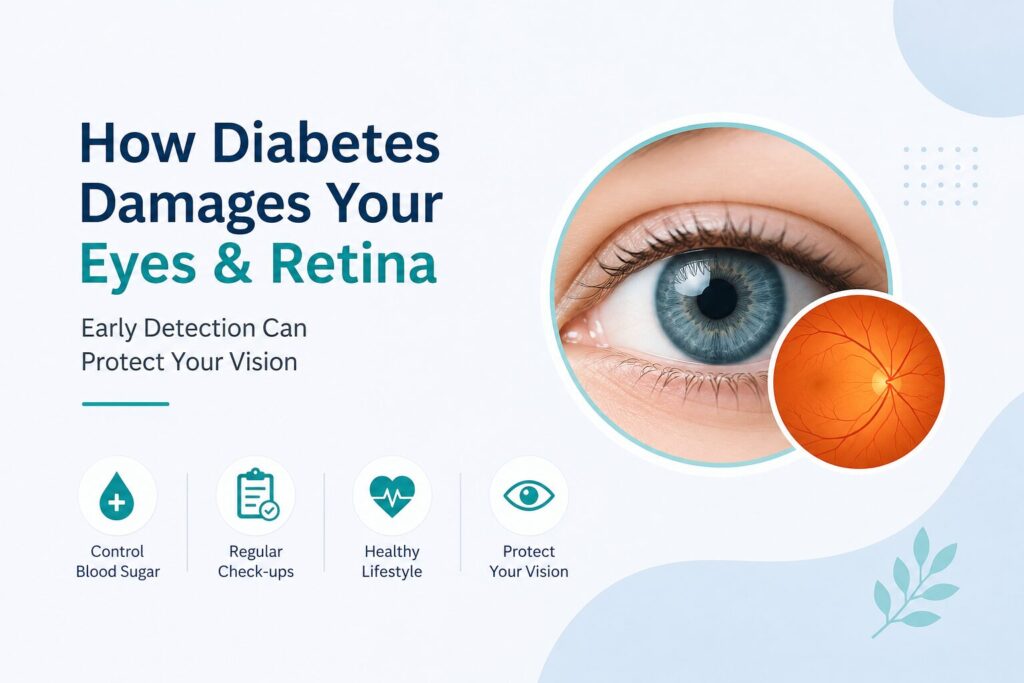
Diabetes doesn’t just affect your blood sugar—it can also affect your eyesight. One of the most common eye problems caused by diabetes is Diabetic Retinopathy, a condition that damages the tiny blood vessels in the retina (the light-sensitive part at the back of your eye).
The biggest concern is that diabetic retinopathy often has no symptoms in the early stages. Many people don’t realize there’s a problem until their vision starts getting affected. That’s why regular eye check-ups are very important, even if your vision seems perfectly normal.
How Does Diabetes Affect Your Eyes?
Your retina helps you see clearly. When your blood sugar stays high for a long time, it can weaken the tiny blood vessels in the retina.
This may cause them to:
- Leak blood or fluid
- Become swollen
- Block normal blood flow
- Cause swelling in the centre of the retina (macular edema)
- Grow abnormal new blood vessels
If left untreated, this damage can lead to blurred vision, severe vision loss, or even blindness.
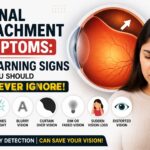
Early Symptoms You Should Never Ignore
In the beginning, you may not notice any symptoms at all.
As diabetic retinopathy progresses, you may experience:
- Blurred vision
- Difficulty reading
- Black spots or floaters
- Dark or blank areas in your vision
- Poor night vision
- Difficulty recognizing faces
- Sudden loss of vision (in advanced cases)
If you notice any of these symptoms, consult a retina specialist immediately.
Who Is More Likely to Develop Diabetic Retinopathy?
Your risk is higher if you:
- Have had diabetes for more than 5–10 years
- Have poorly controlled blood sugar
- Have high blood pressure
- Have high cholesterol
- Smoke
- Are pregnant and have diabetes
- Skip regular eye check-ups
Even if your vision is normal, a yearly retina examination is recommended for every person with diabetes.
Can Diabetic Retinopathy Be Prevented?
Although it may not always be completely preventable, you can greatly reduce the risk by:
- Keeping your blood sugar under control
- Managing your blood pressure and cholesterol
- Eating a healthy, balanced diet
- Exercising regularly
- Avoiding smoking
- Getting your eyes checked every year
- Early detection is the best way to protect your vision.
Treatment Options
Treatment depends on how advanced the condition is.
Your retina specialist may recommend:
- Retina laser treatment
- Anti-VEGF eye injections
- Steroid injections (in selected patients)
- Vitrectomy surgery for advanced diabetic retinal disease
With today’s advanced treatments, many patients can successfully preserve their vision when treatment starts early.
When Should You Visit an Eye Specialist?
Don’t wait if you have diabetes and notice:
- Blurred vision
- Floaters
- Sudden vision loss
- Distorted vision
- Difficulty reading
- Dark patches in your vision
Remember: Diabetic retinopathy can develop silently without warning. Regular eye check-ups are the safest way to protect your eyesight.
FOR CHECKUP APPOINTMENT CALL
+91 8657705131
Frequently Asked Questions
Yes. Good sugar control reduces the risk, but regular retina check-ups are still necessary because early diabetic retinopathy may not cause any symptoms.
Most people with diabetes should have a comprehensive eye examination once every year, or more frequently if advised by their eye doctor.
Many people have no symptoms in the early stages. Later, blurred vision, floaters, dark spots, poor night vision, or sudden vision loss may occur.
Yes. Depending on the severity, treatment may include laser therapy, eye injections, or vitrectomy surgery.
If left untreated, it can lead to permanent vision loss. However, early diagnosis and timely treatment can help save your vision.
No. But anyone with diabetes is at risk, especially if blood sugar remains uncontrolled for a long time. Regular eye screening helps detect problems early.
Diabetic retinopathy often develops without symptoms. A retina examination can detect changes early, allowing treatment before vision is permanently affected.