Isha Netralaya | Best Eye Hospital in Mumbai & Pune | Eye Specialist

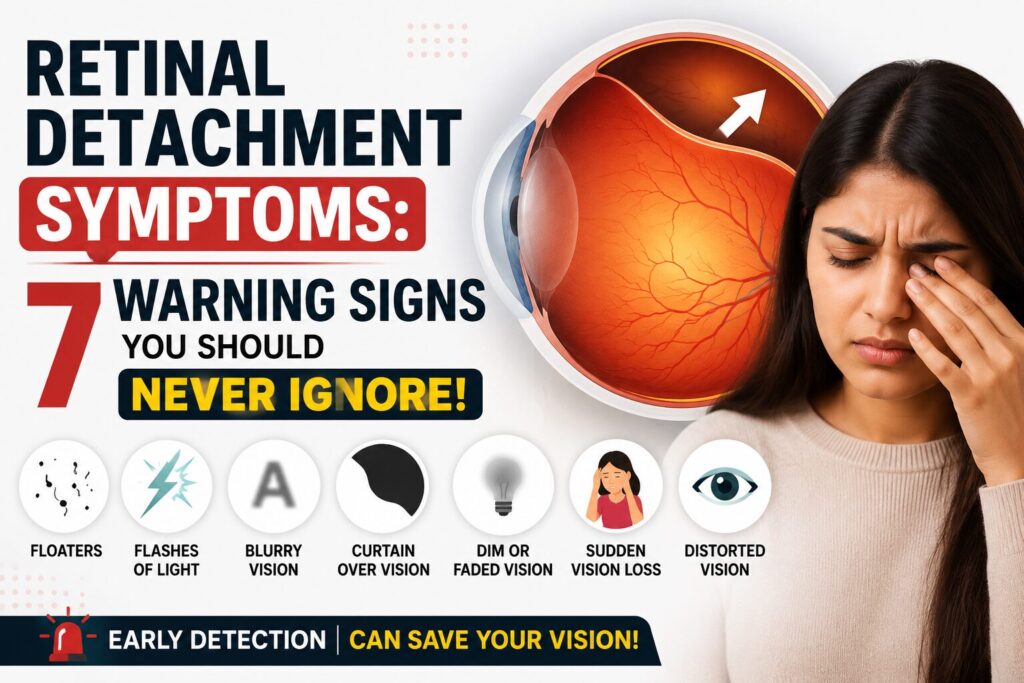
Retinal detachment is a serious eye condition that requires immediate medical attention. The retina is a thin layer of tissue at the back of the eye that captures light and sends visual signals to the brain. If it separates from its normal position, vision can be permanently affected if treatment is delayed.
The good news is that recognizing the early warning signs and seeking prompt treatment can help save your eyesight.
What Is Retinal Detachment?
Retinal detachment occurs when the retina pulls away from the back of the eye. Once detached, it no longer receives the oxygen and nutrients it needs to function properly.
This condition does not heal on its own and usually requires urgent treatment by a retina specialist.
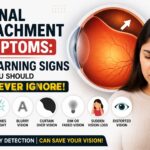
7 Warning Signs You Should Never Ignore
- Sudden Increase in Eye Floaters
Floaters are tiny black spots, cobwebs, or thread-like shapes that seem to drift across your vision.
While a few floaters can be normal with age, a sudden increase in floaters may indicate a retinal tear or detachment.
- Flashes of Light
Seeing brief flashes or lightning-like streaks, especially in your side vision, may be an early warning sign.
These flashes occur when the vitreous gel inside the eye pulls on the retinal tissue.
- A Curtain or Shadow Over Your Vision
One of the classic symptoms of retinal detachment is a dark curtain or shadow moving across your field of vision.
This may start from one side and gradually spread, making it difficult to see clearly.
- Sudden Blurred Vision
If your vision suddenly becomes blurry without any obvious reason, it could be due to changes in the retina.
Do not ignore sudden vision changes, especially if they occur along with flashes or floaters.
- Loss of Side (Peripheral) Vision
Difficulty seeing objects from the side is another important warning sign.
As the retinal detaches further, peripheral vision may gradually decrease.
- Distorted Vision
Straight lines may appear bent or wavy, and objects may look distorted.
This usually indicates that the retina is not functioning normally and should be evaluated immediately.
- Sudden Vision Loss
If you experience sudden partial or complete vision loss in one eye, seek emergency eye care immediately.
Early treatment offers the best chance of preserving vision.
Who Is at Higher Risk?
You may be at a higher risk of retinal detachment if you:
- Have high spectacle power (high myopia)
- Have diabetes
- Are above 50 years of age
- Have had previous cataract surgery
- Have suffered an eye injury
- Have a family history of retinall disease
Regular retina check-ups are especially important for people with these risk factors.
How Is Retinal Detachment Treated?
Treatment depends on how severe the condition is.
Your retina specialist may recommend:
- Laser treatment for small retinal tears
- Cryotherapy (freezing treatment) to seal retinal breaks
- Vitrectomy surgery to repair retinal detachment
- Scleral buckle surgery in selected cases
The sooner treatment is performed, the better the chances of restoring vision.
When Should You See a Retina Specialist?
Visit a retina specialist immediately if you notice:
- Sudden floaters
- Flashes of light
- A curtain-like shadow in your vision
- Sudden blurred vision
- Loss of side vision
- Sudden vision loss after an eye injury
Ignoring these symptoms can increase the risk of permanent vision loss.
Your eyes help you see the world every day, but some eye problems can develop silently without causing pain. One of the most important parts of your eye is the retina, which sends visual signals to your brain.
If the retina becomes damaged, it can affect your vision permanently if not treated on time. The good news is that many retinal problems can be managed successfully when detected early.
Why Is an Early Retina Check-Up Important?
Many retinal diseases don’t cause pain or obvious symptoms in the beginning.
An early retina examination can help:
- Detect problems before vision is affected
- Prevent permanent vision loss
- Start treatment at the right time
- Protect your eyesight for the future
When Should You Visit a Retina Specialist?
Don’t wait if you experience:
- Sudden floaters
- Flashes of light
- Blurred vision
- A curtain-like shadow
- Loss of side vision
- Sudden vision loss
- Vision changes if you have diabetes
The earlier you seek treatment, the better your chances of protecting your vision.
Retinal Detachment | Retina Detachment Treatment | Retina Specialist | Retina Surgeon | Retinal Detachment Symptoms | Flashes and Floaters in Eye | Sudden Vision Loss | Retina Eye Hospital | Retinal Detachment Surgery | Retina Check Up