Isha Netralaya | Best Eye Hospital in Mumbai & Pune | Eye Specialist

Retinopathy of Prematurity
What Is Retinopathy of Prematurity (ROP)?
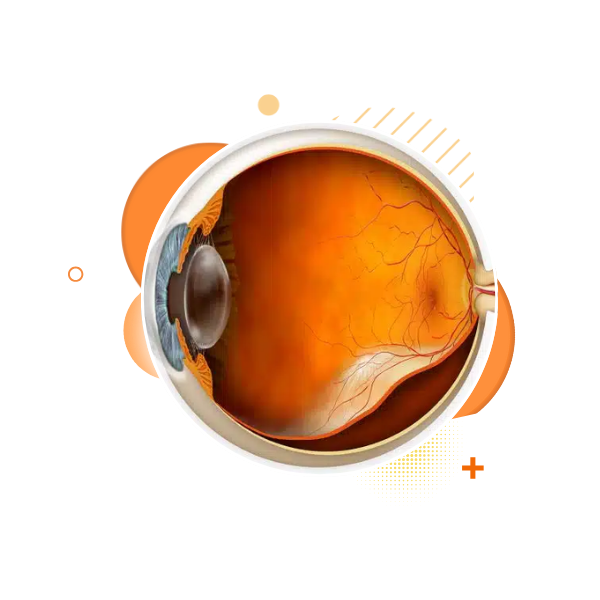
Retinopathy of Prematurity (ROP) is an eye disease that affects premature babies, especially those born before 32 weeks of pregnancy or with low birth weight.
In ROP, the retinal blood vessels do not develop normally. Instead, they may grow abnormally, leading to scarring, retinal detachment, and vision loss if not detected and managed early.
ROP is one of the leading preventable causes of childhood blindness, but early screening and timely care can save vision.

» Why Does ROP Occur?
In full-term babies, retinal blood vessels complete their growth before birth.
In premature babies:
Retinal blood vessels are immature
Oxygen fluctuations can disturb normal growth
Abnormal blood vessels may form
These vessels can bleed or pull the retina away
This process can damage the retina and affect lifelong vision.
» Babies at High Risk of ROP
ROP mainly affects babies who:
Are born prematurely
Have low birth weight (usually below 1.5 kg)
Require oxygen therapy
Have breathing difficulties
Have infections or unstable health after birth
The smaller and more premature the baby, the higher the risk.
» Stages of Retinopathy of Prematurity
ROP is classified into stages based on severity:
Stage 1 – Mild ROP
Mild abnormal vessel growth
Often improves on its own
Requires close monitoring
Stage 2 – Moderate ROP
More abnormal vessel development
Still may resolve naturally
Needs regular eye check-ups
Stage 3 – Severe ROP
Severe abnormal vessel growth
High risk of retinal damage
Requires urgent attention
Stage 4 & 5 – Advanced ROP
Partial or total retinal detachment
Can cause permanent vision loss or blindness
Vision-saving intervention becomes critical
» Signs & Symptoms of ROP
⚠️ ROP usually has NO visible symptoms in early stages
Parents may notice signs only in advanced stages, such as:
White reflection in the pupil
Abnormal eye movements
Poor visual response
Squint
👉 This is why routine screening is extremely important for premature babies.
» Importance of Early ROP Screening
ROP can progress silently and rapidly.
Early eye screening allows:
Detection before vision is affected
Timely intervention
Prevention of blindness
» When Is ROP Screening Done?
Usually between 2–4 weeks after birth
Multiple follow-ups may be required depending on risk and findings
» How Is ROP Diagnosed?
ROP is diagnosed through a special retinal examination performed by a trained pediatric retina specialist.
The examination:
Is quick and safe
Can be done in the NICU or eye clinic
Helps determine stage and need for monitoring or treatment
» Management & Care (Overview)
ROP management depends on:
Stage of disease
Rate of progression
Overall health of the baby
Early-stage ROP may only need close monitoring, while advanced stages require specialised retinal care.
Timely management significantly improves visual outcomes.
» Long-Term Vision Outlook
Many mild cases resolve completely
Severe untreated ROP can lead to permanent blindness
Children with ROP need long-term eye follow-up
Early detection offers the best chance for normal vision development.
» When Should Parents Seek Immediate Help?
Parents should ensure urgent evaluation if:
Baby was premature or low birth weight
ROP screening was advised but missed
Any abnormal eye appearance is noticed
👶 ROP is preventable blindness—if detected early.
OUR SERVICES




Retinopathy of Prematurity FAQs
Retinopathy of Prematurity is an eye disorder that affects premature infants, causing abnormal blood vessel growth in the retina, which can lead to vision problems or blindness if left untreated.
ROP occurs due to premature birth. When babies are born too early, the blood vessels in their retinas may not fully develop, leading to abnormal growth that can cause retinal damage.
ROP generally doesn’t have visible symptoms in the early stages. It is usually detected through routine eye screenings in premature infants. In more severe cases, vision loss or abnormal eye movements may be noted.
While ROP is linked to premature birth, early screening and careful management of oxygen therapy can reduce the risk of severe ROP. The condition can often be treated successfully if caught early.
Treatment for ROP may include laser therapy, cryotherapy, anti-VEGF injections, or surgery, depending on the stage and severity of the condition.